
At a Glance
- Wellness tourism drives African luxury hotels, blending nature-based spa experiences with local culture.
- Smart hotel technology boosts guest experience through mobile check-in, digital controls and data-driven service.
- Sustainable luxury hotels in Africa prioritize local sourcing, renewable energy and community-focused tourism.
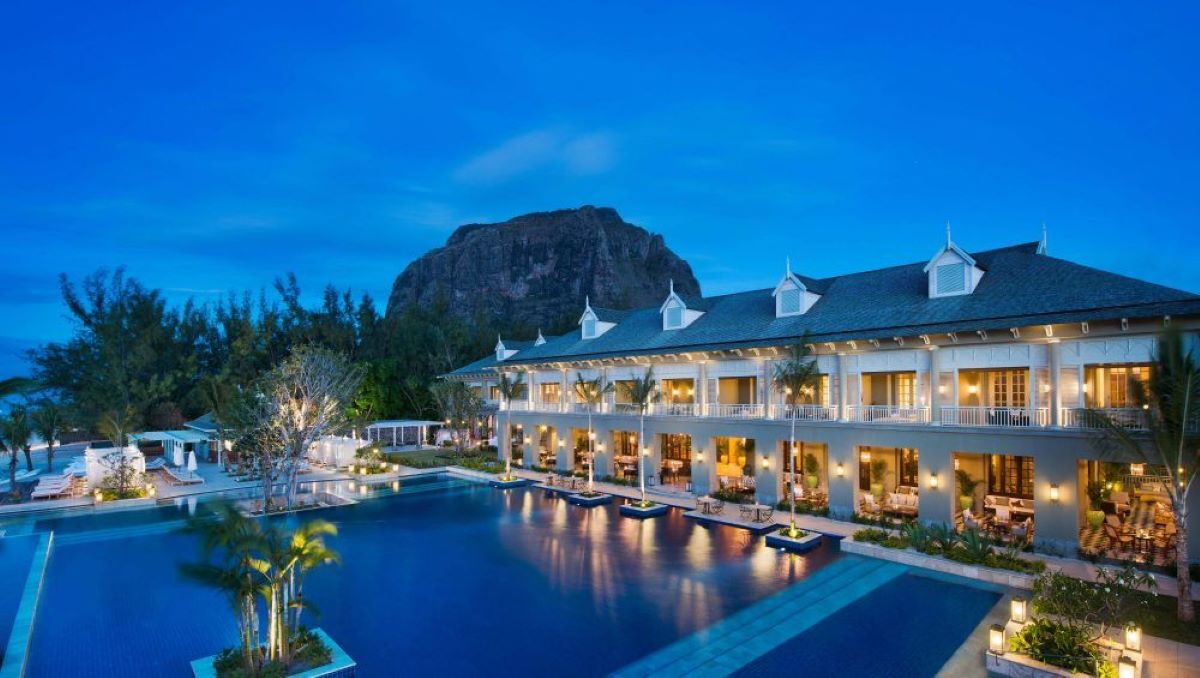
Africa’s luxury hotel scene is changing in clear, practical ways. Across beach resorts, safari lodges and city hotels, operators are pairing wellness offerings and modern technology with local culture and environmental care. The shift reflects what today’s travelers want: comfort, ease and a stronger sense of place.
Wellness rooted in landscape
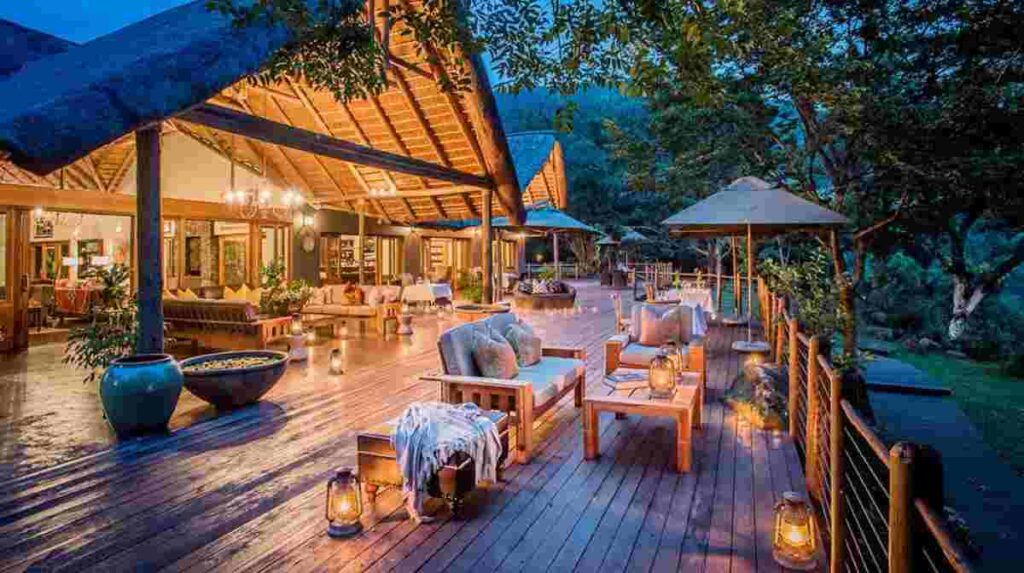
Wellness tourism has become a major draw, especially in South Africa, Kenya, Botswana and Tanzania. Hotels are building programs around nature rather than importing generic spa concepts.
Safari lodges and coastal resorts now offer guided meditation, outdoor treatments and plant-based menus tied to local traditions.
In Botswana, Singita’s “Wholeness” program focuses on locally sourced ingredients and treatments developed with regional practitioners.
Guests are encouraged to slow down, eat well and spend time outdoors, while nearby communities benefit from sourcing partnerships.
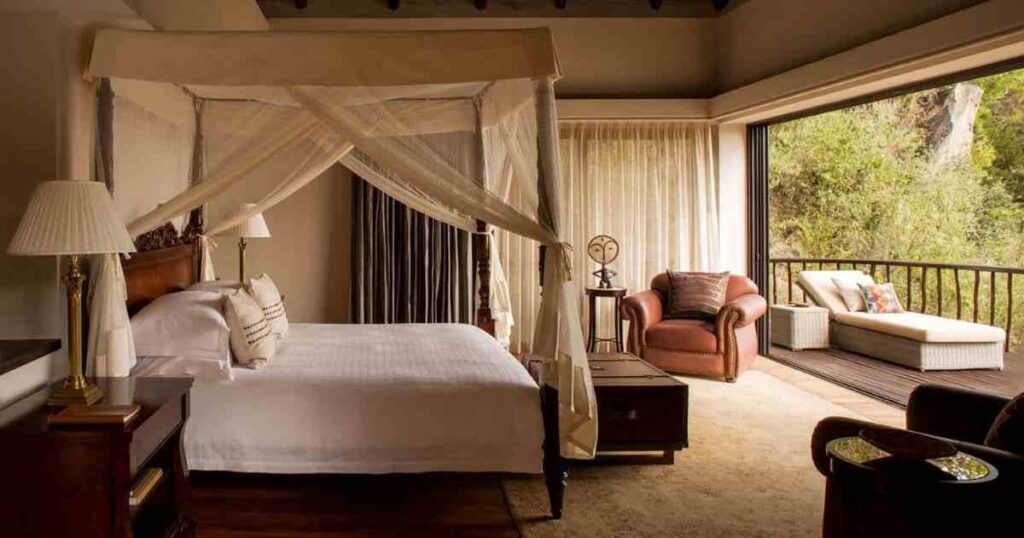
At Four Seasons Safari Lodge Serengeti in Tanzania, indigenous plants feature in spa therapies, and treatments are designed to fit the rhythm of a safari day. The aim is simple: rest and recovery without losing touch with the surrounding environment.

Technology improves the stay
Technology is also reshaping how guests move through African hotels. Mobile check-in, digital room controls and online concierge services are becoming standard, particularly in Kenya and South Africa. These tools reduce friction and allow staff to focus more on personal service.
Kenyan hotels have been quick to adopt cloud-based booking and billing systems, making stays smoother for international travelers. Data-driven tools help properties remember guest preferences, from room temperature to dining choices, without being intrusive.
Sustainability-focused technology plays a role as well. Four Seasons Safari Lodge Serengeti operates with solar power and advanced water systems, cutting reliance on diesel while maintaining high service standards.
Culture as a core offering
Local experiences remain a key reason travelers choose Africa. Hotels are expanding beyond tours to offer hands-on activities such as cooking classes, artisan workshops and storytelling sessions.
In Ghana, cultural programming tied to events like “December in Ghana” blends heritage, music and food, drawing visitors while supporting local creators. Elsewhere, guests can visit nearby villages, markets or community projects arranged through hotel partners.
Building responsibly
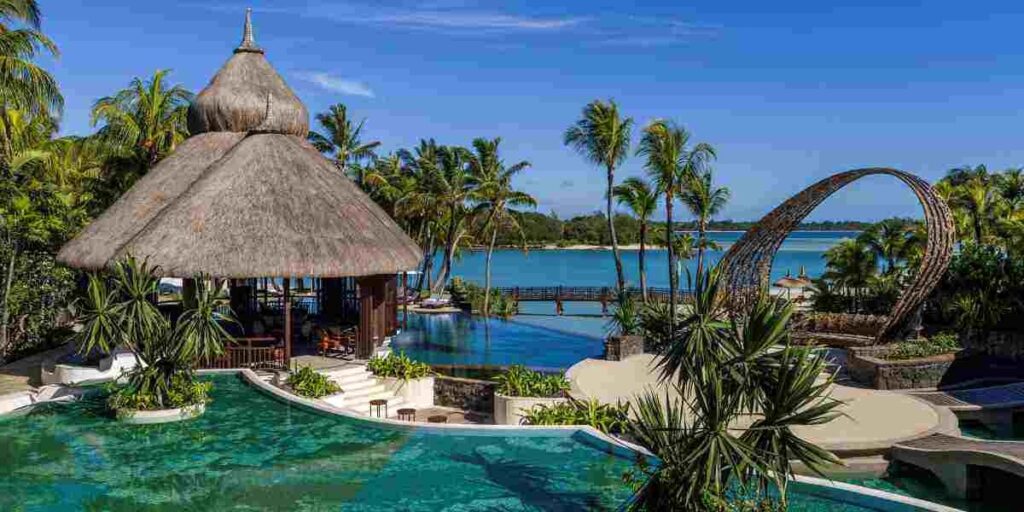
Sustainability runs through many of these efforts. Hotels are sourcing food, furniture and services locally, keeping more spending within host communities. Four Seasons Safari Lodge Serengeti sources about 75% of its supplies in Tanzania, while Singita works with small farmers and producers across its locations.
Challenges remain, including infrastructure gaps and staff training needs. Still, steady investment and collaboration are helping the sector adapt. Together, wellness, technology and local engagement are shaping a more grounded, guest-focused future for African luxury hospitality.