
At a Glance
- Mauritius targets fewer visitors, higher spend, longer stays to maximize tourism returns.
- Golf, private villas, and bespoke experiences anchor the island’s ultra-luxury repositioning.
- Digital-first marketing and premium infrastructure court UHNW travelers from Gulf, Europe, Africa.
Mauritius is quietly executing one of the most ambitious luxury tourism strategies in the Indian Ocean, repositioning itself from a mass-market beach destination into a magnet for ultra-high-net-worth individuals (UHNWIs), private investors, and elite global travelers.
Long associated with turquoise lagoons and honeymoon resorts, the island is now aligning policy, infrastructure, and digital branding to capture a more profitable segment of the global luxury travel economy.
At the center of this pivot is a clear shift in focus: fewer arrivals, higher spending, longer stays, and deeper economic impact.
Tourism authorities in Port Louis are targeting UHNW travelers, family offices, Gulf elites, and premium leisure visitors from Europe and Asia, segments that value privacy, exclusivity, and curated experiences over volume-driven travel.
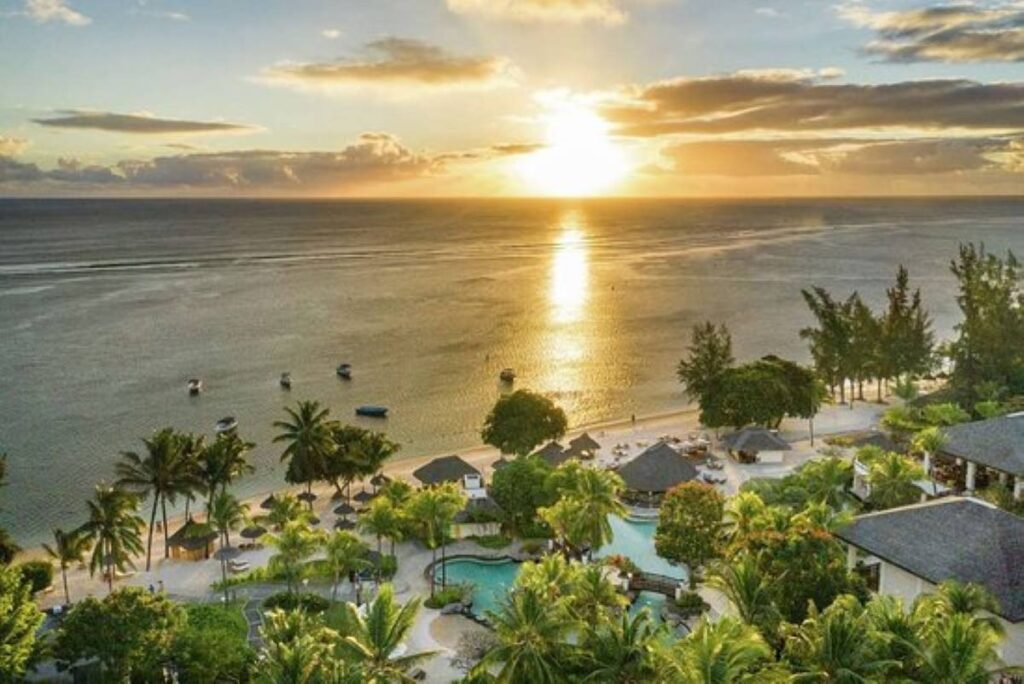
From Sun-and-Sea to bespoke luxury
Tourism remains one of Mauritius’ most important economic pillars, generating billions in foreign exchange and supporting employment across hospitality, aviation, and financial services. But policymakers are recalibrating the growth model. Instead of competing on price or scale, Mauritius is doubling down on luxury tourism, experiential travel, and high-end lifestyle offerings.
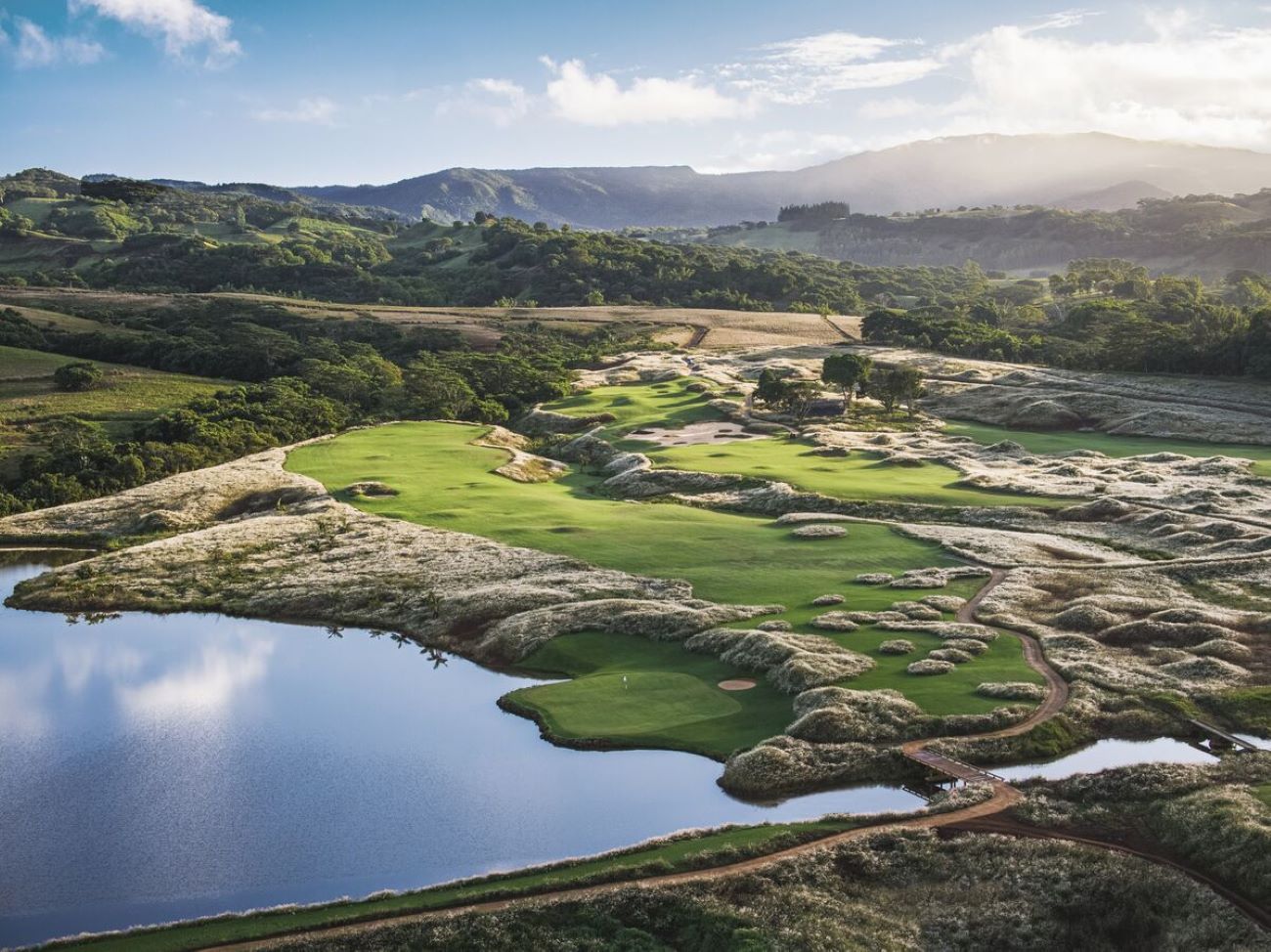
Golf tourism has emerged as a cornerstone of this strategy. The expansion of world-class golf assets, such as La Réserve Golf Links and the upcoming Harmonie Beachcomber Golf Course positions Mauritius as a premium golf destination for affluent travelers who, according to industry data, spend significantly more per visit than conventional tourists. Golf-led travel also extends average length of stay and attracts repeat visitation.
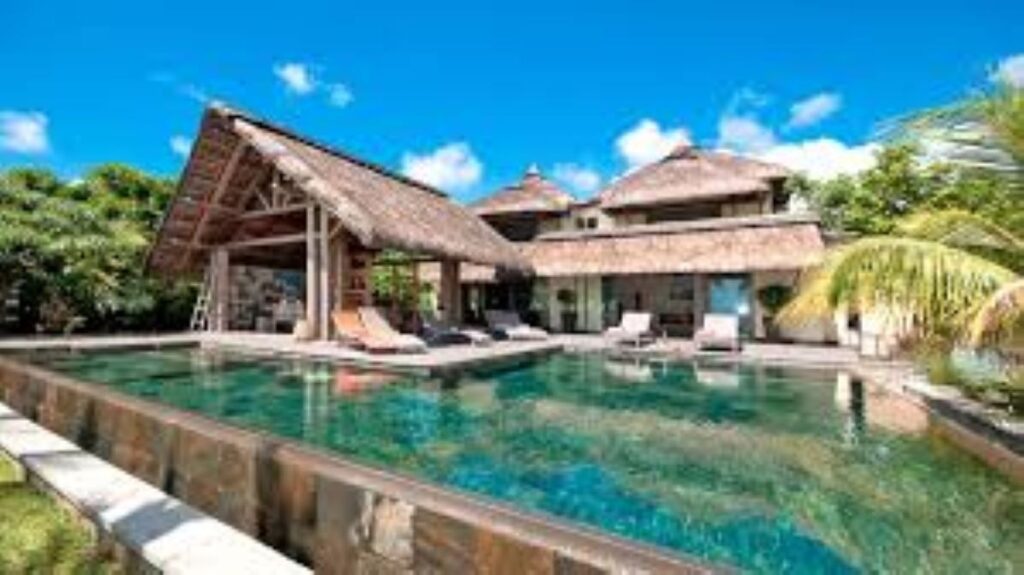
Beyond golf, the island is scaling bespoke experiences designed for UHNW preferences: private yacht charters, branded luxury villas, wellness-led retreats, and high-end “bleisure” travel that blends executive meetings with leisure.
Partnerships with global luxury hospitality brands reinforce Mauritius’ appeal as a destination where discretion, personalization, and comfort are non-negotiable.

Digital visibility and global luxury rankings
Mauritius’ repositioning is translating into measurable gains in global visibility. In 2025, the island ranked among the world’s most-searched luxury travel destinations, earning accolades for honeymoon travel, private villas, and high-end beach resorts.
These recognitions have boosted search performance across premium keywords such as “luxury villas in Mauritius,” “exclusive island honeymoon,” and “private island-style resorts.”
Strategic digital marketing plays a critical role. Targeted campaigns across Instagram, TikTok, WeChat, and regional luxury travel platforms focus on affluent audiences in the Gulf, India, China, and Europe. The messaging emphasizes safety, cultural depth, political stability, and exclusivity, key decision drivers for UHNW travelers.
This digital-first strategy also sharpens Mauritius’ competitive edge against regional luxury rivals like the Maldives and Seychelles.
Infrastructure built for high-end travelers
Luxury branding is being matched with infrastructure investment. Airport upgrades now include VIP arrival services, expanded terminals, and seamless customs processes tailored for private jet passengers and chartered flights. These enhancements reduce friction for high-net-worth visitors accustomed to efficiency and discretion.
On the ground, capital inflows into five-star eco-resorts, branded residences, and ultra-luxury serviced villas continue to rise, supported by investor-friendly policies and a stable regulatory environment.
Sustainability is embedded into this growth, with green building standards, renewable energy adoption, and eco-tourism certifications becoming central to new developments.
For today’s luxury traveler, purpose matters. Mauritius’ emphasis on responsible tourism allows it to meet rising demand for sustainable luxury without compromising on comfort or prestige.
Target markets: Gulf, Europe, and intra-Africa
While France, the UK, and Germany remain core source markets, Mauritius’ UHNW strategy increasingly prioritizes the Gulf Cooperation Council (GCC). Affluent Gulf travelers are drawn by year-round sunshine, privacy, halal-friendly luxury services, and bespoke villa experiences.
In parallel, Mauritius is tapping into intra-African luxury travel through partnerships that combine beach leisure with safari and cultural tourism, appealing to Africa’s growing class of high-net-worth individuals.
The bottom line: A high-value vision
Mauritius’ ultra-high-net-worth tourism strategy reflects a broader global shift toward high-value, low-impact travel. By integrating luxury golf tourism, private villas, sustainable resorts, and precision digital marketing with world-class infrastructure, the island is redefining its tourism DNA.
The result is a more resilient, higher-yield tourism model, one that strengthens Mauritius’ position as a premier luxury destination in the Indian Ocean while delivering outsized returns per visitor in an increasingly competitive global market.