

At a Glance
- Madagascar’s lemur-rich rainforests are emerging as a premium destination for exclusive, conservation-led wildlife travel.
- Affluent travelers seek private access, expert guides and boutique eco-lodges over traditional mass tourism.
- Luxury operators increasingly tie high-end lemur experiences directly to conservation funding and community support.
Madagascar is redefining luxury wildlife travel, positioning its lemur-rich rainforests as one of the world’s most distinctive high-end ecotourism destinations.
Long associated with rugged exploration, the island is now attracting affluent travelers seeking exclusive wildlife experiences, private nature tours and conservation-led luxury travel without compromising comfort or access.
As global demand rises for sustainable tourism and responsible travel, Madagascar’s endemic lemurs have become a powerful draw for a new class of experience-driven visitors.
That shift has fueled a fast-growing market for curated lemur encounters that combine remote rainforest access with boutique eco-lodges, expert naturalist guides and conservation-funded travel models. For luxury tour operators, Madagascar now sits firmly on the radar alongside Costa Rica and the Galápagos as a premium biodiversity destination.
From Andasibe to Masoala: Madagascar’s Lemur hotspots
Several destinations consistently anchor high-end lemur itineraries. Andasibe-Mantadia National Park, located in the eastern rainforest corridor, remains the most accessible and commercially mature. It is best known for sightings of the indri, the world’s largest living lemur often encountered on early-morning guided treks favored by first-time visitors.
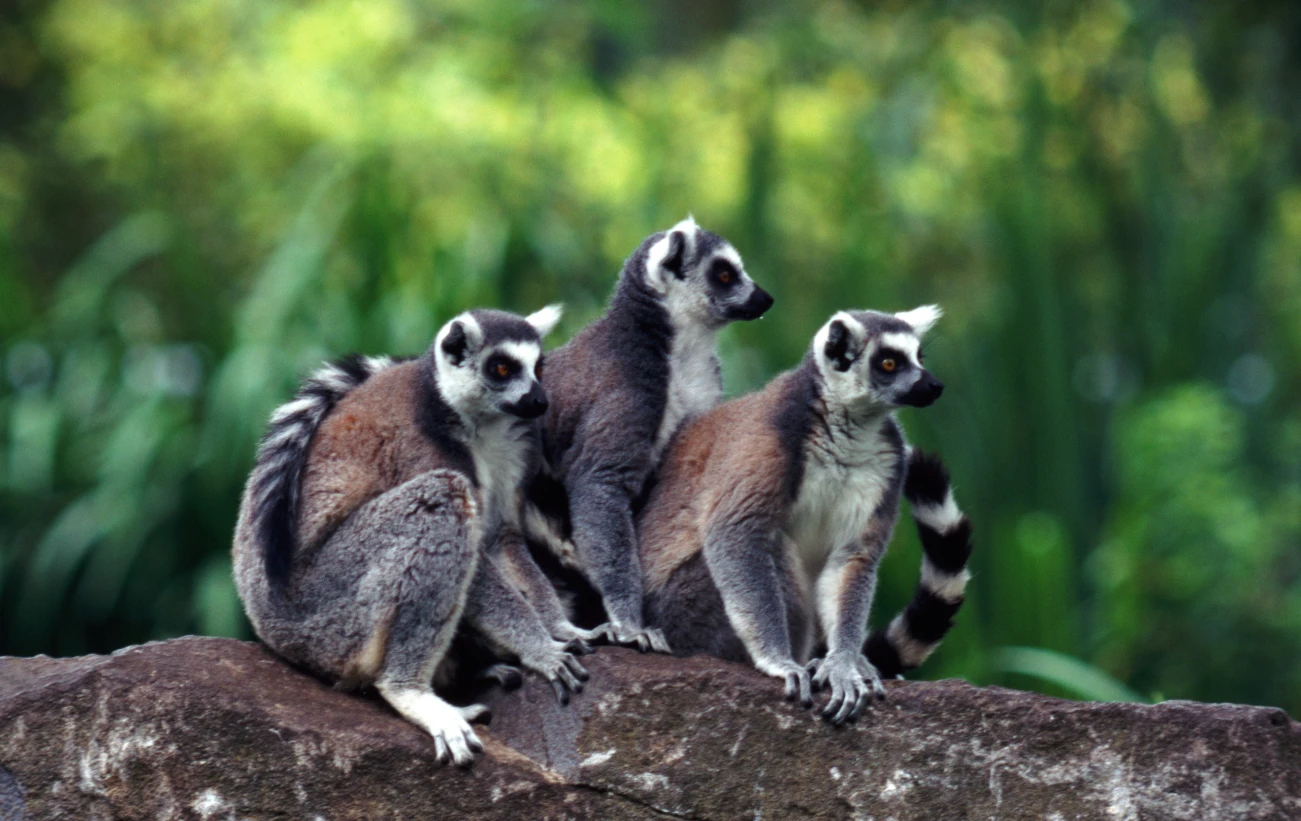
On the northwest coast, Anjajavy offers a different proposition: a private nature reserve that blends coastal scenery, dry forest trails and ring-tailed lemur encounters with a villa-style luxury lodge experience.
Farther east, Masoala National Park and the surrounding Nosy Be archipelago deliver what many travelers now seek most—near-pristine rainforest ecosystems, limited visitor numbers and rare species such as black-and-white ruffed lemurs in largely untouched habitat.
What “exclusive” means in Madagascar
In practice, exclusive lemur experiences are defined less by opulence and more by access, privacy and expertise. Typical luxury packages include private airport transfers or charter flights, early-access rainforest hikes with senior naturalists, guided night walks to observe nocturnal lemurs, and stays at small-scale lodges designed to minimize environmental impact.
Pricing reflects the range. Short, guided lemur tours start at roughly $1,000 to $2,000 per person, while bespoke multi-park itineraries often combining private charters, remote camps and tailored guiding can reach several thousand dollars per traveler.
Most premium operators now embed conservation levies directly into pricing, channeling funds to reforestation, ranger patrols and local community programs.
When luxury funds conservation
A defining trend in Madagascar’s high-end travel market is the repositioning of luxury lodges as active conservation partners. In remote regions, guest-funded levies are increasingly used to support protected-area management, finance ranger salaries and create local employment tied directly to forest protection.
Industry reporting and emerging eco-lodge projects show that conservation tourism can generate stable income streams in areas with limited economic alternatives. Still, experts emphasize that long-term success depends on transparency, community participation and measurable environmental outcomes, factors that sophisticated travelers now expect.
Beyond the standard Safari Walk
For visitors seeking deeper engagement, operators are expanding beyond traditional guided hikes. New offerings include camera-trap monitoring tours, research briefings with field biologists, conservation-focused expeditions and limited volunteer placements linked to ongoing projects.
These immersive experiences appeal to travelers who want more than wildlife photography, particularly those interested in understanding lemur behavior, habitat loss and the climate risks facing Madagascar’s rainforests.
Reputable operators clearly outline learning objectives, conservation impact and ethical boundaries, reinforcing credibility in a competitive luxury market.
Planning, access and responsible booking
Despite its appeal, Madagascar remains logistically complex. Domestic flights are limited, road travel is slow, and access to remote reserves often requires advance planning. Industry specialists recommend booking with licensed operators that employ local guides, support community partnerships and publish clear conservation policies.
Travelers are increasingly advised to ask how conservation fees are collected, how funds are distributed and whether lodges support ranger programs or reforestation initiatives. Small-group or private-guide formats are now seen as best practice for minimizing ecological impact while preserving exclusivity.
